default
 0
0
 0
0
By Bridgett Nesbit
STATESVILLE, NORTH CAROLINA —For investors looking beyond the saturated markets of Charlotte, Statesville’s Shelton Avenue presents a fascinating study in contradictions: undeniable distress sitting squarely in the crosshairs of inevitable northward expansion.
The economic writing is already etched into the landscape.
We are witnessing a quiet momentum, anchored by a 385-home development at Hill Haven Road and Shelton Avenue that secured its zoning back in November 2025.
Just down the road in Barium Springs, the massive 774-acre Wakefield Village project is poised to pour $336 million into the local economy while generating 1,500 jobs.
The sheer volume of this growth cannot be ignored.
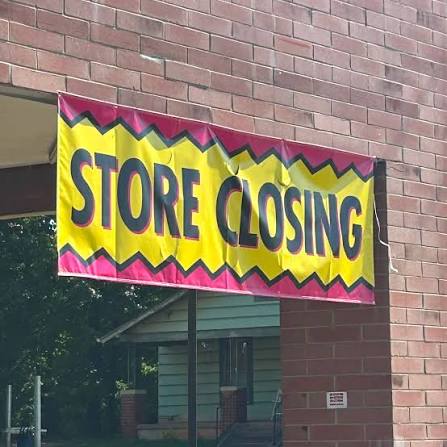
Yet, the most glaring opportunity lies in what the corridor currently lacks: sustenance.
A 2023 municipal analysis by Retail Strategies effectively dismissed large-chain investment, claiming the area was “potentially over-grocered.”
However, that very same report inadvertently pointed to the solution.
It identified the old Food Lion property—currently under the stewardship of the Statesville Housing Authority—as the most financially viable site for redevelopment.
For outside capital willing to do the work, the barrier to entry remains surprisingly low.
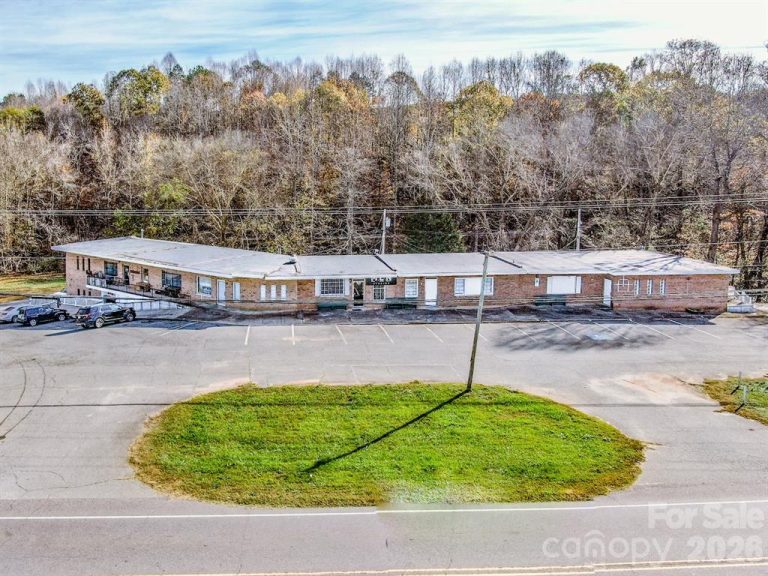
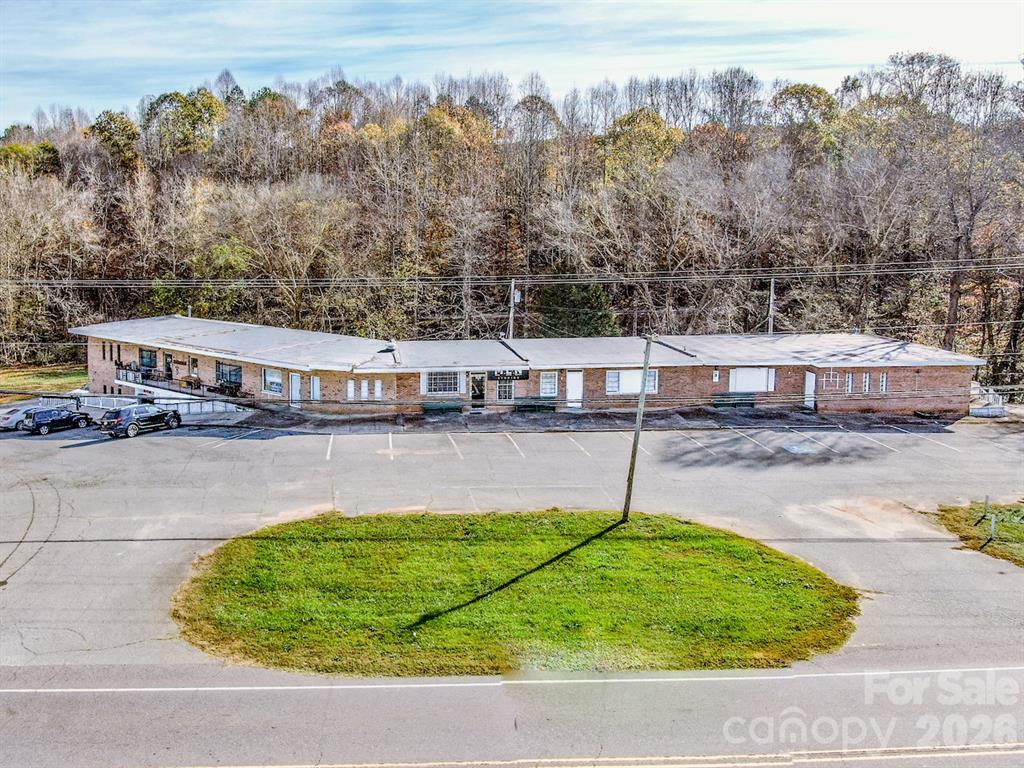
Consider a 10-unit commercial strip at 2327 Shelton Avenue, boasting nearly 500 feet of road frontage right near the Wakefield footprint, currently listed at a modest $399,000.
Closer to the city center, a two-parcel site at 1129 Shelton Avenue offers Interstate 77 visibility and downtown connectivity for just $199,900.
Ultimately, the real estate and the demographic shifts are aligning perfectly.
The lingering question isn’t whether this corridor will transform, but who will architect that transformation.
Will our local leadership rise to the occasion to manage this scale of growth, or will a visionary outsider arrive, bring a much-needed grocery tenant, and secure the market for themselves?



About the Author